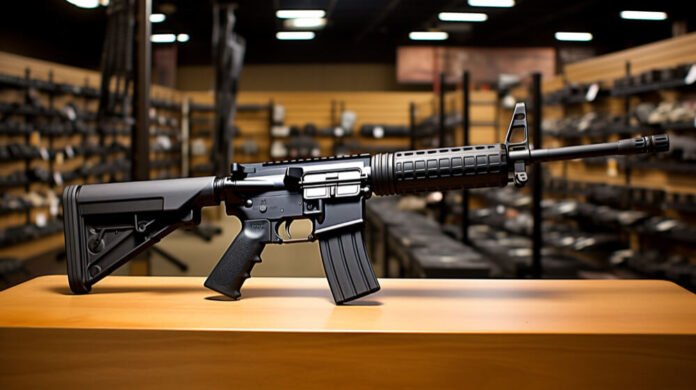

Stag Arms has been a familiar name in the AR-15 world for more than two decades, especially among shooters looking for a reliable left-handed rifle. Lately, though, more people have been searching online to find out whether the company is still operating, and the confusion is understandable given everything that’s happened this year.
Between ownership changes, a court-supervised financial process, and conflicting headlines, it’s easy to see why customers want a straight answer. This article walks through Stag Arms’ background, what actually happened in 2026, and where the company stands today.
A Little Background about Stag Arms
Stag Arms was founded in May 2003 in New Britain, Connecticut, by Mark Malkowski. The company built its reputation on manufacturing AR-15 rifles designed specifically for left-handed shooters, with features like a reversed ejection port that made the platform far more comfortable for lefties than the standard AR-15 design.
Over the years, Stag Arms grew into one of the more recognizable names in the AR-15 space, expanding its lineup to include right-handed models, parts, and accessories alongside its signature left-handed rifles. That early focus on an underserved niche helped the brand build a loyal customer base that has stuck with it through some rocky periods.
Is Stag Arms Still in Business?
Yes, Stag Arms is still in business as of 2026, though the full picture is more complicated than a simple yes or no. The company hasn’t shut its doors, gone through liquidation, or stopped shipping products, but it did spend part of the year under a court-supervised financial process that understandably alarmed a lot of customers.
Reports throughout the year confirmed that Stag Arms kept manufacturing, shipping orders, and honoring warranties even during its most uncertain stretch. So while the headlines sounded serious, and in some ways they were, the company never actually stopped operating as a business.
What Happened to Stag Arms in Recent Years?
The most serious chapter in Stag Arms’ recent history dates back to 2016, when founder Mark Malkowski ran into legal trouble with federal authorities and was required to give up ownership of the company as part of a settlement. Around the same time, the company laid off most of its New Britain workforce, and it looked for a while like the brand might not survive.
Private equity firm White Wolf Capital stepped in shortly after, covering the fines and taking over ownership to keep the business running. Under White Wolf, Stag Arms eventually relocated its operations from Connecticut to Cheyenne, Wyoming, a move that caused temporary production delays and inventory shortages, and which fueled years of “is Stag Arms closing” rumors on its own.
Then, in May 2026, a bigger financial event unfolded. Stag Arms, along with sister brands Aero Precision, Ballistic Advantage, and VG6 Precision, all owned by White Wolf Capital, were pulled into a general receivership process filed in Pierce County, Washington, with J.S. Held LLC appointed as receiver. This wasn’t a rumor this time; it was a real, documented court filing tied to financial strain across the entire ownership group.
The Core Business Behind Stag Arms
At its core, Stag Arms remains a manufacturer of AR-15 rifles, components, and accessories, serving shooting sports enthusiasts, hunters, and law enforcement customers. Its signature product line continues to be left-handed AR-15 configurations, a niche it has occupied longer and more consistently than most competitors in the space.
Beyond complete rifles, the company also sells individual parts and accessories that let customers build or customize their own AR-15 platforms. This combination of niche specialization and broader parts availability has been central to how Stag Arms has sustained its customer base even through periods of ownership and operational turbulence.
Where Does Stag Arms Stand in the Firearms Market Today?
Stag Arms operates in a highly competitive and increasingly saturated AR-15 market, where demand has softened in recent years and many mid-sized manufacturers have felt financial pressure. The receivership affecting Stag Arms and its sister brands was, in many ways, a symptom of that broader industry-wide strain rather than an isolated failure specific to Stag Arms alone.
Even so, the brand’s decades-long focus on left-handed shooters gives it a market position that’s harder for larger, more generic manufacturers to replicate quickly. That specialization has likely played a role in keeping Stag Arms relevant enough to be included in a buyer’s rescue plan rather than being wound down entirely.
Has Stag Arms Restarted or Restructured Its Operations?
Yes. In August 2026, Stag Arms, Aero Precision, Ballistic Advantage, and VG6 Precision were sold together to a new private family investment group, officially ending White Wolf Capital’s involvement with the companies. The new owners are described as firearm enthusiasts and Second Amendment supporters from outside the traditional firearms industry, and the four brands now sit under one holding entity while keeping their individual names and identities.
Following the sale, manufacturing has been ramping back up, supply chains are being reestablished, and the companies have been working through the order backlog that built up during the slower receivership period. Core products are being prioritized first, with new product launches expected to follow once operations are fully back to normal.
How Stag Arms Fits Into the Modern Firearms Industry
Stag Arms’ situation reflects a wider trend playing out across the mid-market firearms industry, where highly leveraged manufacturers have struggled against softer retail demand and rising financial pressure. Its path through receivership and into new ownership mirrors what several other brands in the space have experienced as private equity-backed companies face tighter margins.
At the same time, Stag Arms’ survival and quick transition to new ownership sets it apart from brands that didn’t make it through similar financial distress, such as some competitors that ceased operations entirely in recent years. That outcome suggests the brand still holds real value in the eyes of buyers, even during a difficult stretch for the industry as a whole.
Stag Arms’ Future: Signs of Continued Operation
Looking ahead, the clearest sign that Stag Arms plans to keep operating is the completed sale itself. New ownership, active manufacturing, and a stated rebuilding plan are far stronger indicators than any social media rumor, and they point toward a company working to move past its financial troubles rather than winding down.
The real test now will be how quickly Stag Arms can restore normal inventory levels and rebuild customer confidence after a year of uncertainty. If the company can follow through on its stated plans to ramp production and reintroduce new products, it’s well positioned to remain a recognizable name in the AR-15 market for years to come.
Conclusion
Stag Arms is still in business in 2026, but it’s been a genuinely eventful year, moving from a court-supervised receivership process to a full change in ownership within just a few months. The company never stopped manufacturing or shipping products, even during its most uncertain period.
For customers and shooters wondering whether the brand is safe to buy from, the answer is yes, Stag Arms is operating, rebuilding, and appears to have a clearer path forward now that it’s out from under its previous ownership structure.
Also Read: