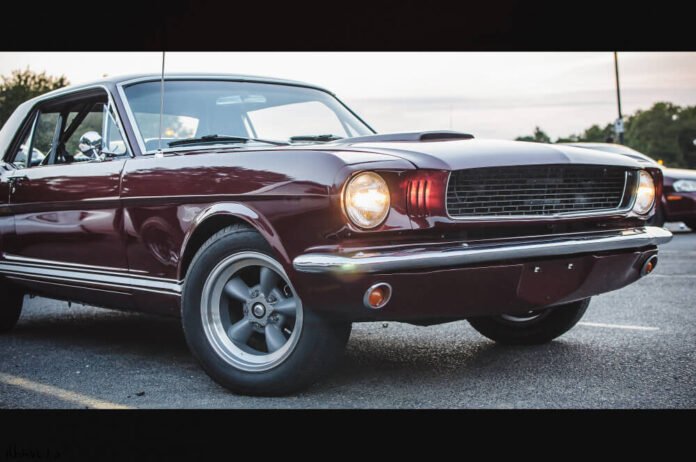

Car lovers still search for Pontiac at dealerships, only to come up empty. The name brings back memories of loud engines, bold styling, and a driving experience that once ruled American roads. Many people assume Pontiac quietly went out of business on its own, but the real story behind its closure is more complicated than that.
This article breaks down exactly what happened to Pontiac, why it disappeared, and whether the brand has any future left in 2026. If you’ve ever wondered about the fate of this once-mighty nameplate, you’re about to get the full picture, straight from the facts and not from internet rumors.
Is Pontiac Still in Business in 2026? The Real Story
No, Pontiac is not an active car brand in 2026. It was officially shut down by General Motors back in 2010, and no new Pontiac vehicles have been built or sold since then. The brand exists today only in memory, in surviving models, and within passionate enthusiast communities that keep its spirit alive.
Despite occasional rumors and trademark filings tied to the Pontiac name, GM has not confirmed any plans to bring the brand back into production. Anything claiming a “new 2026 Pontiac” model online is speculation and fan-made concept talk, not an official announcement from General Motors itself.
How Pontiac Became an Icon of American Muscle Cars
Pontiac built its reputation in the 1960s with cars that defined the entire muscle car era. The GTO is widely credited as the vehicle that kicked off the muscle car movement in America, combining a powerful engine with a mid-size body that everyday buyers could actually afford.
Models like the Firebird and Trans Am later added to Pontiac’s fame, appearing in movies, television shows, and pop culture references that stretched far beyond the automotive world. The brand positioned itself as the performance division for regular buyers, offering excitement and attitude that other GM brands didn’t emphasize nearly as strongly.
The General Motors Era: How Pontiac Found Its Place
Pontiac was never an independent automaker; it operated as a division under General Motors for its entire existence, from its founding all the way to its closure. This structure gave Pontiac access to shared engineering, factories, and technology while still allowing it to market its own distinct identity to buyers across the country.
Within GM’s larger lineup, Pontiac was marketed as the sportier, younger alternative compared to brands like Buick or Oldsmobile. This positioning worked well for decades and built loyal customers, but it also meant Pontiac’s survival was tied directly to GM’s broader corporate strategy and financial health.
Why Pontiac Suddenly Disappeared From Dealerships
Pontiac didn’t vanish overnight for creative or design reasons; it was a business decision driven by serious financial pressure. By the late 2000s, GM was struggling with declining sales, shrinking market share, and mounting debt across nearly all of its brands simultaneously.
To survive as a company, GM had to cut down the number of brands it operated, and Pontiac was one of the casualties in that painful restructuring process. The decision wasn’t about the cars themselves failing to perform, but about GM needing a leaner, more focused, and more profitable brand portfolio to move forward.
The 2010 Shutdown: What Really Happened to Pontiac?
The end came during GM’s 2009 bankruptcy restructuring, when the company announced it would phase out several brands entirely as part of its government-backed recovery plan. Pontiac was named alongside Saturn and Hummer as divisions that would not continue under the newly reorganized General Motors.
The last Pontiac vehicles rolled off production lines in 2010, officially closing the chapter on a brand that had existed for over eight decades. Dealerships were given a limited window of time to sell off remaining inventory before Pontiac disappeared from showrooms for good, marking a quiet end to a loud legacy.
What Happened to Pontiac’s Cars After the Brand Closed?
Existing Pontiac vehicles didn’t disappear when the brand shut down; owners kept driving and maintaining them for years afterward, often with even more pride. Many models, especially the GTO and Trans Am, actually became more desirable as collector cars once production officially ended.
Resale values for certain performance Pontiacs have increased steadily since 2010, driven by nostalgia, scarcity, and renewed interest from younger collectors. Enthusiasts continue to restore, modify, and show these vehicles at events, keeping the brand’s presence very much alive on roads and at car shows nationwide.
Where Pontiac Owners Get Parts and Repairs Today
Finding parts for a Pontiac isn’t as difficult as many people assume, even years after the shutdown of the brand. Since Pontiac shared many components with other General Motors vehicles, standard GM dealerships can often still service and supply parts for numerous surviving models.
For rarer or performance-specific parts, aftermarket suppliers and dedicated restoration shops fill the gap quite effectively. Online forums, specialty parts retailers, and Pontiac-focused communities have also grown into reliable, well-organized sources for owners who want to keep their vehicles running smoothly for years to come.
Could the Pontiac Name Ever Return to the Market?
GM has filed trademarks related to the Pontiac name in recent years, which sparked renewed speculation and excitement among longtime fans. However, filing a trademark is a routine, protective legal move for large companies and doesn’t guarantee that any actual product launch is coming.
As of now, GM has made no official statement confirming a Pontiac revival for 2026 or any year beyond it. With the brand’s 100th anniversary falling in 2026, some fans hope this could be a symbolic moment for a comeback, but nothing concrete or official has been confirmed by the company.
Why Pontiac Still Has a Loyal Fan Base
Pontiac’s fan base has remained remarkably strong despite the brand’s absence from dealership lots for well over a decade now. Car clubs, online communities, and annual meetups dedicated entirely to Pontiac models continue to thrive in cities across the country.
The emotional connection to models like the GTO and Firebird runs deep for many original owners and newer enthusiasts alike. This loyalty keeps demand steady for parts, restorations, and collector vehicles, proving the brand’s influence outlasted its official years of production by quite a margin.
Pontiac’s Legacy: Gone From Showrooms but Not Forgotten
Pontiac may be gone from car lots, but its impact on automotive history remains firmly and permanently intact. The brand played a defining role in shaping the American muscle car identity that still influences performance vehicle design today.
Car museums, documentaries, and enthusiast media continue to highlight Pontiac’s contributions to design, engineering, and motorsport culture. Even without any new models being built, the brand’s story continues to be told and celebrated by people who genuinely value its place in automotive history.
Final Answer: Is Pontiac Still in Business
To put it simply, Pontiac is not currently in business and hasn’t produced a single new vehicle since 2010. The brand exists only through its surviving vehicles, its loyal and passionate community, and ongoing speculation about a possible future return someday.
Until General Motors makes an official announcement, any talk of a Pontiac comeback should be treated as rumor rather than confirmed fact. For now, Pontiac remains a beloved and respected part of automotive history rather than an active player in today’s competitive car market.
Conclusion
Pontiac’s story is a reminder of how quickly even a beloved, iconic brand can disappear when harsh business realities take over. What started as a symbol of American performance ended as a casualty of corporate restructuring during one of the most difficult economic periods in recent memory.
Still, the passion around Pontiac hasn’t faded one bit, and its cars continue to turn heads at shows and on the open road. Whether or not the name ever officially returns to showrooms, Pontiac’s legacy as a true muscle car pioneer is already permanently secured in automotive history.